


A dental office is a clinical environment with a rhythm all its own. The front desk lives in the schedule, the operatories depend on charts and digital imaging being there the moment a patient sits down, and billing has to move for the practice to stay healthy. All of it runs on technology, and when that technology falters, the cost is immediate: patients waiting, chairs idle, and a team improvising around systems that should simply work. IT for a dental practice is not the same as IT for an ordinary office, because the tolerance for downtime during patient hours is close to zero and the data involved is among the most protected there is.
Our work is to provide technology and security shaped around that reality. That means keeping the systems your clinical day depends on available and fast, protecting the patient information they hold, and handling maintenance and problems in a way that respects a fully booked schedule rather than interrupting it.
Why Dental Practices Are a Target
It surprises many dentists to learn how attractive their practice looks to an attacker. A dental office holds complete patient files: identity details, dates of birth, insurance information, and health history, often for thousands of patients built up over years. That is precisely the raw material fraud is made from, and it makes any practice worth attacking regardless of size. In fact, smaller practices are often preferred targets, because attackers assume, frequently correctly, that a small clinical team has invested less in defense than a hospital or large group. Understanding this changes the question from whether security matters for a practice your size to how to get real protection without it consuming your week.
Protecting Patient Records and Imaging
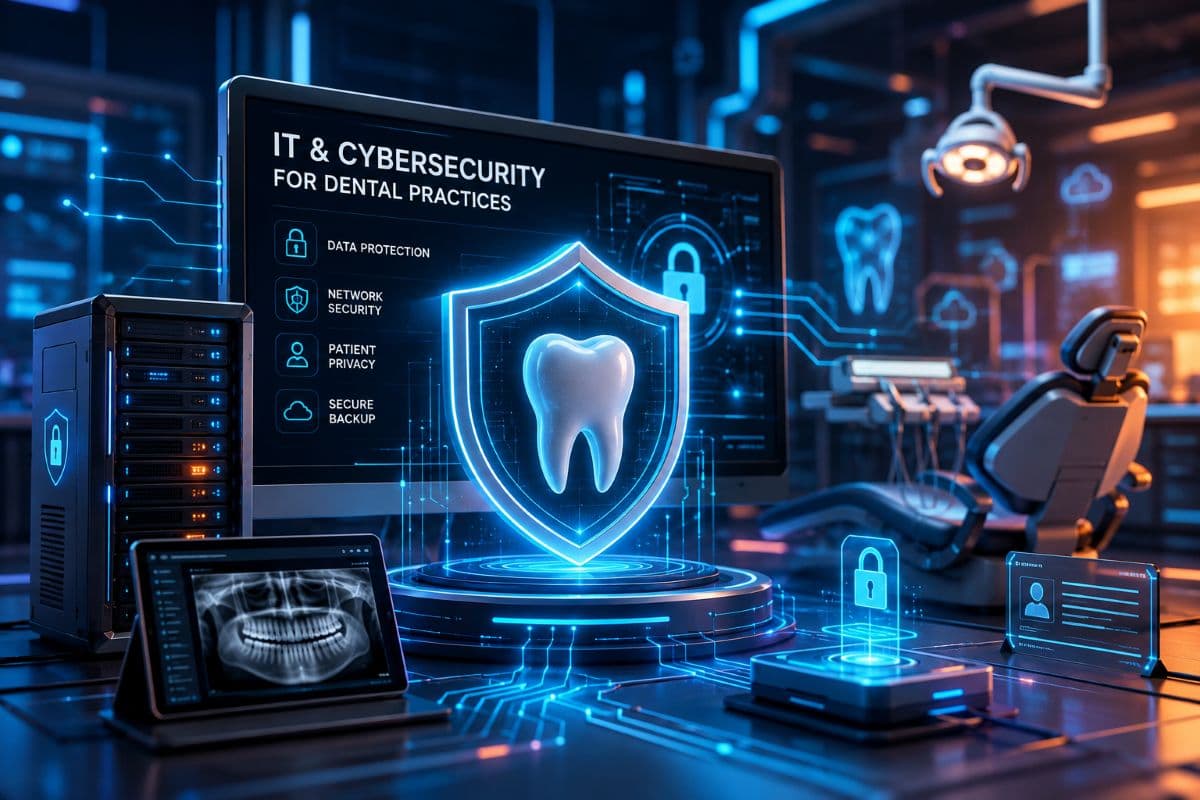
Protecting a dental practice well means several layers working together around the systems that matter most: your practice management platform and your digital imaging. That includes controlling who can open patient records so a single stolen password is not enough, protecting the workstations and servers in the office, filtering the email where most attacks first arrive, and training the team to recognize the messages designed to fool them. Imaging deserves particular care, because X-rays and scans are large files that accumulate for years and are genuinely irreplaceable, which makes backup and disaster recovery as important as any lock on the front door. A practice that can restore its records and images after a bad day has protected something no insurance payout can recreate.
HIPAA Applies to Dental, Fully
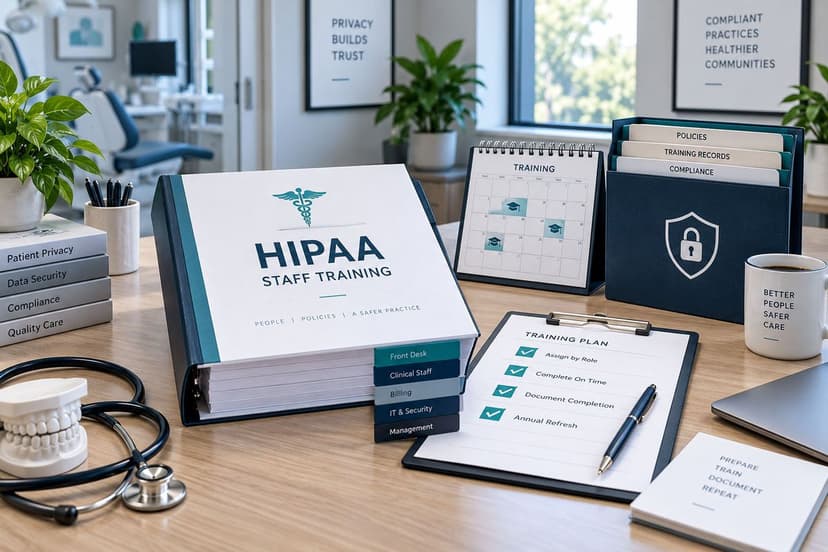
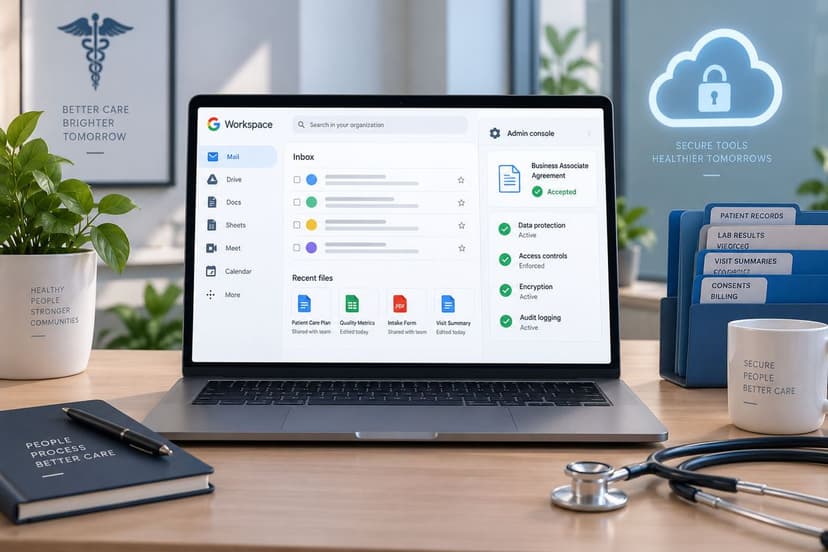
Some dental offices quietly assume HIPAA is mostly a concern for physicians and hospitals. It is not. A dental practice is a healthcare provider under the law, patient charts and X-rays are protected health information, and the obligations are the same in kind: a documented risk analysis, safeguards that fit the practice, staff training, and business associate agreements with every vendor that touches patient data, your IT provider included. We support that work practically, putting the expected protections in place and signing the agreements that handling patient data requires, and we route the deeper regulatory detail through our dedicated compliance and risk management service so it is done properly. A practical starting point for seeing where your practice stands is a structured HIPAA compliance checklist, which turns a vague obligation into a concrete list. One honest note: compliance reduces risk and shows diligence, but no set of safeguards makes a breach impossible, and a provider who promises otherwise is not being straight with you.
Keeping the Schedule Moving
In a dental office, system availability is measured in patients, not percentages. If the schedule is unreachable, the front desk is blind. If imaging is down, the operatory stalls with a patient in the chair. This is why we put real weight on preventing outages rather than reacting to them: monitoring the systems the day depends on, maintaining the machines and network quietly in the background, and responding fast when something does break. Good dental IT is mostly invisible; the practice simply gets through its day without thinking about the technology, which is exactly how it should be.
Dental IT Across Los Angeles
As a managed IT and cybersecurity provider based in the Los Angeles area, with CCSP certified expertise, GlobeVM supports dental practices across Woodland Hills, Encino, Sherman Oaks, the San Fernando Valley, Santa Clarita, the Conejo Valley, and Ventura County. We keep your scheduling, records, and imaging available through patient hours, protect the information your patients trust you with, support your HIPAA obligations, and stay reachable when you need us. Your team’s job is dentistry; ours is making sure the technology underneath it holds up, quietly and dependably.