


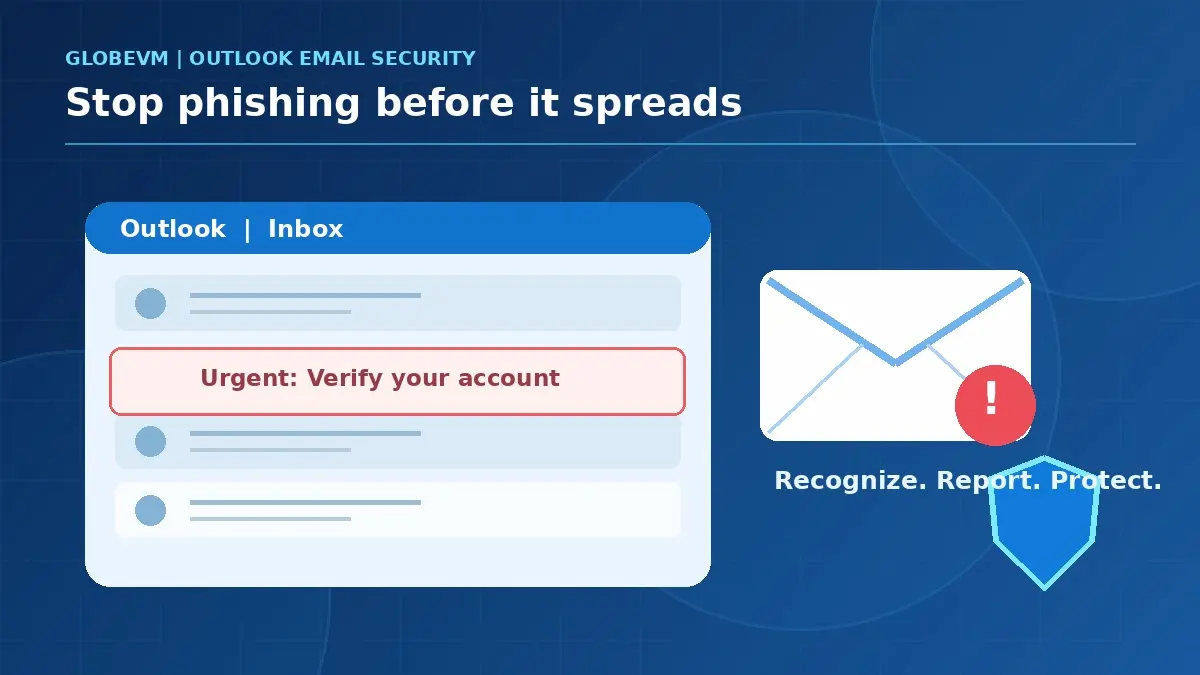



Most cyberattacks do not start by defeating your technology. They start by fooling a person. Attackers send a convincing email, a fake message, or even a phone call designed to get someone to click a link, hand over a password, or approve a payment. This works because it targets human trust, curiosity, and the pressure of a busy day, not a flaw in your software. The result is that, for most businesses, the people who use the systems every day are both the most common target and the most important line of defense. Security awareness training is a core part of any cybersecurity program, and it exists to strengthen that line, by helping your team recognize and resist the attacks aimed squarely at them.
This has become more important, not less, as attacks have grown more convincing. Many scams are now written with the help of AI, so they are polished and free of the obvious mistakes people were once told to look for. Advice like watching for bad spelling no longer holds up. What protects a team today is the habit of pausing on the things that still give an attack away and knowing how to check before acting.
Why Once-a-Year Training Does Not Work
It is worth being honest about the most common approach, because it largely does not work. Many businesses treat security awareness as a single training video that everyone watches once a year to satisfy a requirement. People click through it quickly, pass a short quiz, and forget most of it within weeks. When a real scam lands in their inbox months later, that annual video is a distant memory, and behavior has not actually changed. Studies that test this directly tend to find that a one-time session does little to improve how people respond under real conditions.
The reason is simple: recognizing a threat is a skill, and skills fade without practice. A genuinely effective program replaces the yearly event with something continuous, short lessons delivered regularly, reinforced by practice, so that spotting a suspicious message becomes second nature rather than a fact half-remembered from training. The difference between these two approaches is the difference between checking a box and actually reducing risk.
What Modern Security Awareness Training Looks Like
A program built to change behavior has a few core parts that work together. The first is ongoing, bite-sized training, brief and frequent rather than long and rare, so it fits into a workday and actually sticks. The second is realistic phishing simulations, safe practice attacks that show how people respond and give them a chance to learn in a real situation. The third is timely coaching: when someone clicks a simulated email, they get a short, immediate lesson about what to look for, at the moment it is most likely to land. Good programs also tailor content to roles, because a finance team facing invoice fraud needs different preparation than frontline staff facing password scams. Together, these turn awareness from a one-time event into a steady habit across your business.
Phishing Simulations, Done Right
Phishing simulations are one of the most effective parts of awareness training, but how they are run matters enormously. A simulation is a harmless fake phishing email sent to your team to see who clicks, who reports it, and who needs more support, all without any real risk. Used well, it is a practice exercise that builds instinct over time. Used badly, as a way to catch people out and embarrass them, it backfires, teaching staff to hide their mistakes rather than report them. We treat simulations as learning, not as a trap. The aim is not to punish the person who clicks, but to give them a quick, useful lesson and to build a culture where people feel comfortable reporting anything that looks wrong. A team that reports suspicious messages quickly gives you a chance to act before damage is done, which is worth far more than a perfect score.
What Success Actually Looks Like
It helps to be realistic about the goal. The aim of awareness training is not to reach a point where no one ever clicks anything, because that is not achievable with real human beings, and any provider who promises it is overselling. What a good program does is move the numbers in the right direction over time: fewer people falling for simulated attacks, and far more people reporting suspicious messages when they see them. That second measure, a rise in reporting, is often the more valuable one, because it turns your whole team into an early warning system. Progress is measured over months, not days, and we report on it clearly so you can see where things stand and where the remaining risk sits, rather than relying on a vague sense that staff have been trained.
Training and Compliance
For many businesses, security awareness training is also a requirement, not just good practice. The FTC Safeguards Rule, which applies to businesses that handle consumer financial information, expects security awareness training that includes recognizing phishing, and frameworks such as HIPAA and PCI carry similar expectations along with the need to keep records that training actually took place. We run the program and maintain that documentation, so you have real evidence for auditors and, increasingly, for cyber insurers who now ask about it directly. The point is to satisfy the requirement honestly, with a program that genuinely trains your people, rather than producing paperwork for training that changed nothing.
Security Awareness Training for Los Angeles Businesses
As a managed IT and cybersecurity provider based in the Los Angeles area, with CCSP certified expertise, GlobeVM provides security awareness training for businesses across Woodland Hills, Encino, Sherman Oaks, the San Fernando Valley, Santa Clarita, the Conejo Valley, and Ventura County. We run continuous training and realistic simulations, coach your team when they need it, keep the records your compliance needs, and report clearly on progress. The goal is straightforward: a team that recognizes the attacks aimed at them, reports what looks wrong, and becomes one of the strongest parts of your defense rather than the weakest.